What does it look like to create a classroom that supports regulation for neurodivergent learners?
For many children, school is where they spend the largest portion of their day outside of the home. In school settings, autistic and neurodivergent learners may have extensive support teams that include general and special education teachers, related service providers, social workers, and paraprofessionals.
All these supportive adults play an important role in building classrooms and climates where learners feel comfortable, connected, and supported. A key starting point is setting up a proactive space that helps learners regulate throughout the day.
While the neurodivergent-affirming strategies shared here are likely not new to you, they can serve as a helpful reminder as you set up or refresh your classroom. Sometimes intentional changes can make a meaningful difference in helping kids access learning, increased engagement, and regulate at school.
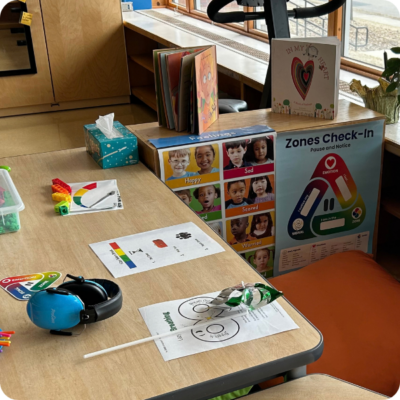
Offer Sensory Tools and Support in the Classroom
Why? Many autistic and neurodivergent learners process sensory experiences differently. Having supports at the ready helps them manage their sensory needs, especially in sensory-rich places like schools.
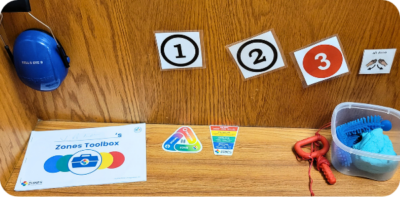
How? Provide different types of sensory strategies including those that reduce the sensory load, such as noise-cancelling headphones or loops, lower lights, and limited clutter or glowing screens. Also consider sensory seeking tools like wobbly stools, textured fidgets, ambient music and movement activities. Customizing sensory tools for individual learners can be a gamechanger for their capacity to regulate at school.
Provide Accessible Communication Supports
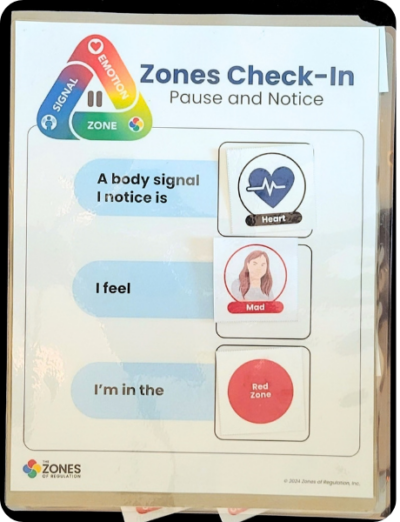
Why? We don’t all communicate the same way; many learners benefit from assistive communication supports. Rather than naming learners’ feelings for them, it’s essential to empower them with the means to express themselves in a way that works for them.
How? Integrate emotions and regulation strategies into Alternative and Augmentative Communication (AAC) systems like communication boards and tablet programs. You’ll find AAC-ready images and a variety of communication supports built right into The Zones of Regulation® Curriculum.
Use Visuals to Show Emotions
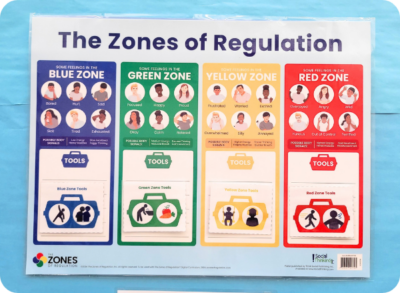
Why? Visual supports, like Zones Posters, make emotional information more concrete, clearer, and easier to process. As a bonus, staff are much more likely to check in with feelings if they’re in plain sight.
How? Post visuals in places where learners can easily access them when they most need them, like a classroom regulation station or directly on a table. Take each learner’s development, vocabulary, and high interest areas into account when selecting visuals that will engage them. The Zones Curriculum includes nearly 100 updated visuals in English and Spanish to get you started!
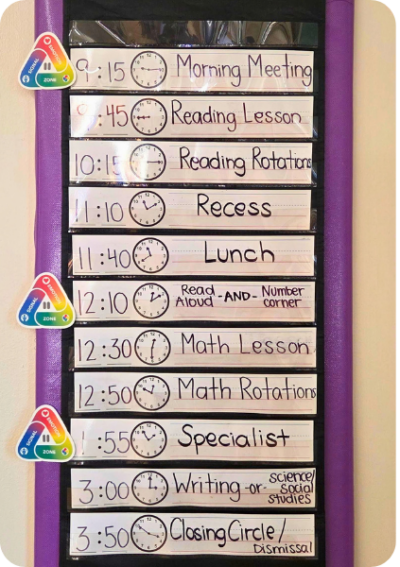
Build Structured Routines and Visual Schedules
Why? Predictable schedules and routines help learners understand what to expect throughout the day, which can help reduce anxiety and increase their comfort. They also help support transitions from one activity to the next.
How? Create a visual schedule that shows learners what to expect in a concrete, accessible way. This might be as simple as a “First, Then” prompt or a more detailed full-day schedule. Building Zones Check-Ins and proactive regulation opportunities into your daily routine is a helpful way to support regulation and learning throughout the day.
Use Consistent Co-regulation Strategies
Why? Regulation is a developmental skill set that we learn through modelling, co-regulation, and support from trusted adults. When educators and caregivers use a common language and a predictable response to regulation needs, it helps provide scaffolding for learners to internalize the tools and strategies. Over time, they’ll be able to use the strategies with more ease during moments of dysregulation.
How? Start by building adult understanding of regulation. A great place to begin is with a Zones of Regulation Training. We offer a wide range of learning opportunities for educators, caregivers, and clinicians/therapists to develop a common language and approach to supporting regulation.
Creating Spaces Where Autistic and Neurodivergent Learners Can Thrive
Beyond setting up your own neurodivergent-affirming space, special education staff and related service providers can play an important role in integrating these practices into general education environments, helping create spaces that are inclusive and welcoming for all learners.
Regulation support not only benefits neurodivergent learners, but they also promote emotional safety, accessibility, and belonging throughout the entire school community.
While many of these strategies are tried-and-true practices for special education staff, they can be easy to overlook amid the demands of the busy school year. Taking time to intentionally design and refresh our classrooms with regulation in mind helps create environments where autistic and neurodivergent learners have opportunities to engage, connect, and grow.